How To Get A Mobility Scooter Funded In Australia: NDIS, Support At Home And What You'll Actually Pay On The Central Coast
If you're searching how to get a mobility scooter for free in Australia, there isn't one universal free-scooter program. Depending on your eligibility and assessed needs, a scooter may be funded through the NDIS, the Support at Home Assistive Technology and Home Modifications (AT-HM) scheme, or the Department of Veterans' Affairs Rehabilitation Appliances Program. What you personally pay depends on the funding pathway and your circumstances.
For Central Coast and Lake Macquarie families, the practical process usually involves confirming eligibility, having your mobility needs assessed, identifying an appropriate scooter and obtaining any required supplier quote before funding is approved.
Can You Get a Mobility Scooter for Free in Australia?
Potentially, but don't assume that approval automatically means there will be no out-of-pocket cost. The NDIS can fund assistive technology that supports a participant's mobility and independence when it meets NDIS funding requirements. Higher-cost assistive technology generally requires supporting evidence and a quote before funding is approved.
Older Australians may instead access assistive technology through Support at Home. The AT-HM scheme provides separate needs-based funding for equipment, but most assistive technology under Support at Home requires a participant contribution based on the applicable contribution arrangements.
Eligible veterans may have another pathway through DVA's Rehabilitation Appliances Program (RAP), which supplies aids and equipment for assessed clinical needs and specifically includes certain electric scooters and other mobility equipment.
The key point is simple: funding follows assessed need and program eligibility, not merely a desire to purchase a scooter.
Who Pays for Mobility Aids? The Three Funding Streams
NDIS
For eligible NDIS participants, assistive technology funding can cover equipment that supports mobility, independence, personal care, communication and participation. Capital supports are stated in the participant's plan, meaning that funding must be used for the supports described in that category.
Depending on the equipment, supporting evidence may include an assistive technology assessment explaining how the scooter relates to your needs and goals. For high-cost assistive technology, the NDIS generally requires at least one supplier quote and may request another where the price is higher than expected.
Support at Home and the AT-HM Scheme
Support at Home is the aged-care pathway relevant to many older Australians. Its AT-HM scheme provides funding specifically for approved assistive technology and home modifications instead of requiring participants to save for equipment from their ongoing quarterly services budget.
Current assistive-technology tiers are under $500 for low, up to $2,000 for medium and up to $15,000 for high. Funding above $15,000 can also be considered where required to meet assessed needs and supported by the necessary evidence.
DVA Rehabilitation Appliances Program
DVA's RAP provides aids and equipment to eligible clients based on assessed clinical healthcare needs. Its equipment program includes certain electric mobility scooters, although DVA places conditions on the types it supplies.
If you're eligible for DVA support, check that pathway before assuming NDIS or aged-care funding applies.
What Changed When Support at Home Replaced Home Care Packages?
Support at Home replaced the Home Care Packages Program and Short-Term Restorative Care Programme on 1 November 2025. One of the important changes for mobility equipment is the separate AT-HM funding stream.
Under the former Home Care Packages approach, equipment could compete with other needs within a participant's available package. Under Support at Home, approved assistive technology has separate needs-based AT-HM funding rather than coming from the participant's ongoing quarterly services budget.
That doesn't mean every scooter up to $15,000 is automatically approved. Your assessed needs determine the appropriate tier and equipment, and the AT-HM list governs what the scheme can fund.
Participants who transitioned from Home Care Packages also have specific rules around existing unspent Commonwealth HCP funds, which generally need to be used first for AT-HM before newly allocated AT-HM funding.
How Much Does a Mobility Scooter Cost in Australia?
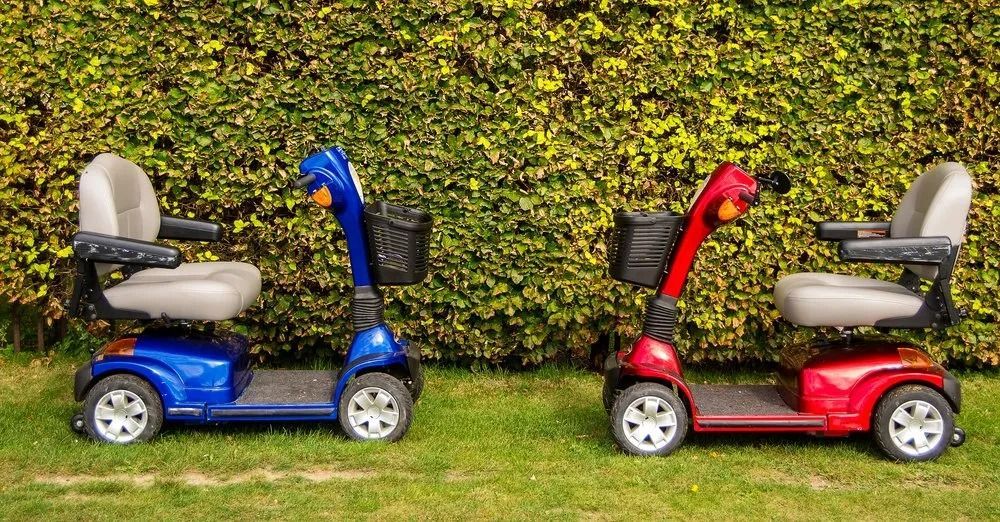
There isn't one useful answer to how much does a mobility scooter cost, because scooters range from compact transportable designs through to larger models intended for longer trips and different terrain. The relevant question for a funded purchase is not simply, "What's my funding limit?" It is, "Which scooter meets the assessed mobility need?"
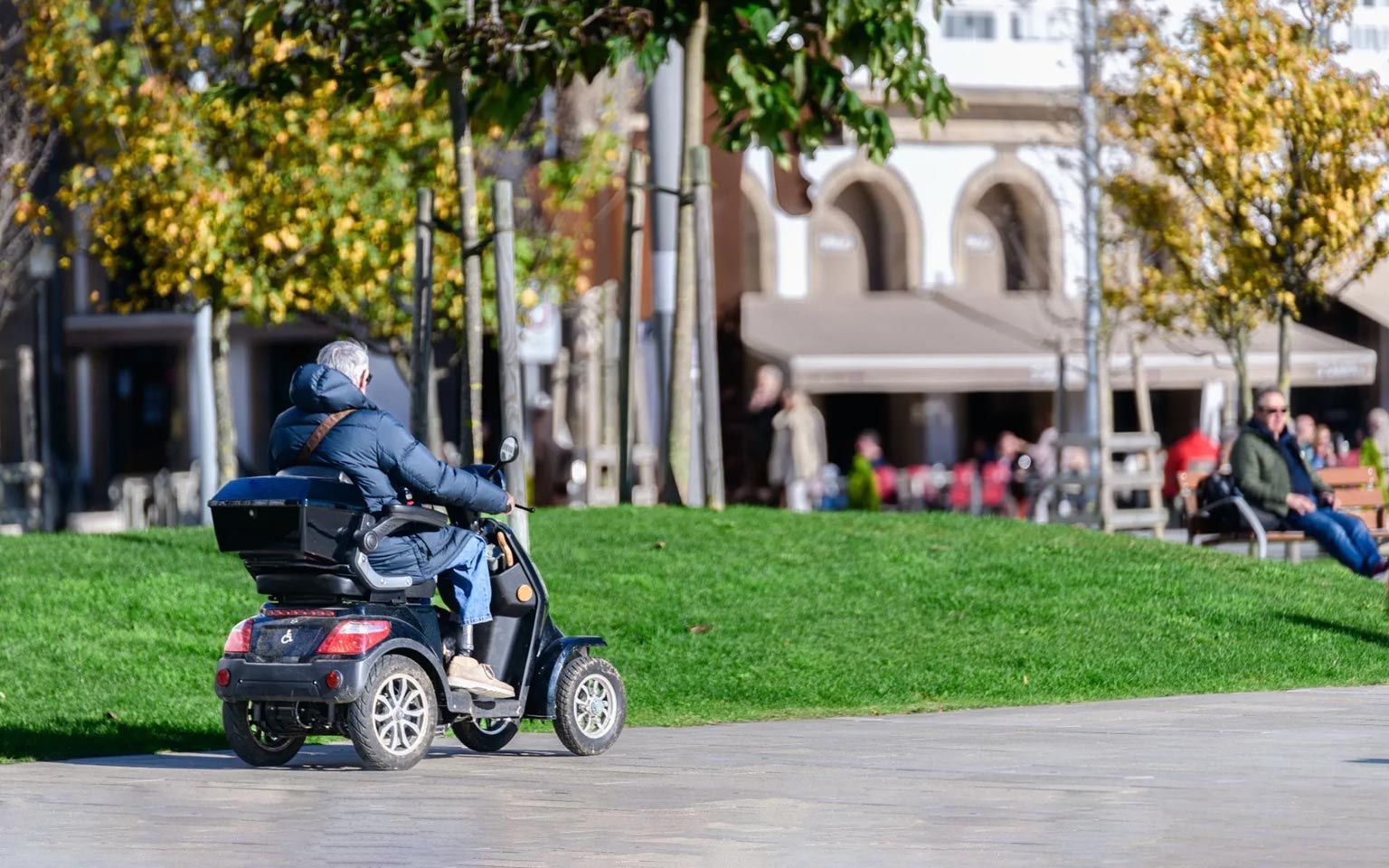
A compact scooter that can be transported in a vehicle serves a different purpose from a larger scooter intended for regular outdoor travel. Your assessment and supplier quote need to reflect the type of equipment appropriate for you.
When you're ready to compare options, the range of mobility scooters includes different configurations so the equipment can be matched to the recommendation rather than selected on price alone.
If a scooter turns out to be more equipment than you currently require, our guide to the
Top Mobility Aids for Seniors to Stay Independent covers other options worth considering.
What Will You Actually Pay Out of Pocket?
Your out-of-pocket amount depends on the program. With NDIS funding, the key questions are whether the scooter is an approved NDIS support for you and whether sufficient funding has been included in the relevant support category. Under Support at Home, assistive technology generally falls within the independence category and most participants make a contribution. The amount depends on the participant contribution rules and individual financial circumstances. Clinical supports such as eligible prescription services are fully government funded rather than attracting a participant contribution.
This is why two people buying similar mobility equipment can have different out-of-pocket costs. Ask your provider or funding body what contribution applies before agreeing to the purchase.
What Is the Assessment and Quote Process?
The details vary between programs, but a practical pathway usually looks like this:
- Confirm which funding stream applies. This might be NDIS, Support at Home or DVA RAP.
- Complete the required assessment. Your needs and intended use of the equipment need to be established.
- Trial suitable equipment where appropriate. A scooter should suit your mobility, environment and intended use rather than simply fit within a funding limit.
- Obtain the required supplier quote. Higher-cost NDIS assistive technology generally requires a quote, while Support at Home also has documentation and prescription requirements depending on the equipment and funding tier.
- Submit the evidence and wait for the relevant approval or allocation.
- Order the approved equipment through the appropriate process.
Don't buy an expensive scooter first and assume the program will reimburse it later. Confirm the funding and documentation requirements before committing.
How Long Does Approval Take, and What Can You Do While You Wait?
There isn't a single approval timeframe that applies to every mobility scooter application. Timing can depend on the program, assessment requirements, evidence, funding allocation and whether additional information is requested. In practice, gathering the assessment, prescription or supporting evidence and supplier quote can be an important part of the process.
Government guidance also notes that requests for additional evidence can cause delays under the AT-HM scheme.
If going without mobility equipment during that period isn't practical, hiring may provide a temporary option. You can hire disability equipment while you work through the longer-term decision, where suitable equipment is available.
Hiring can also give you practical experience with mobility equipment before committing to a permanent solution.
How Do You Get a Quote From a Central Coast Supplier?
Once you know what your assessor or funding body requires, take that information to a supplier who can help identify suitable equipment and prepare the necessary quote. Working with a mobility aids Central Coast specialist also gives you somewhere to discuss how different scooters fit your day-to-day needs rather than choosing solely from specifications online.
Bring any assessment recommendations, funding information and equipment requirements with you. The closer the quote matches the approved need, the clearer the next step becomes.
For Central Coast and Lake Macquarie families trying to work out
how to get a mobility scooter for free in Australia, start with the funding pathway before shopping by price. Once you know whether NDIS, Support at Home or DVA applies, the team at Lake Macquarie Scooters Mobility & More can help you compare suitable equipment, arrange a quote and understand your options while funding is being organised.
Frequently Asked Questions