Comparing A Mobility Scooter Vs Electric Wheelchair
Choosing the right mobility aids on the Central Coast often starts with one key decision: a mobility scooter or an electric wheelchair. Both restore independence, but they suit different bodies, homes and daily routines. A scooter favours outdoor range and simple handlebar steering, while a wheelchair favours tight indoor manoeuvrability and joystick control.
The two are often grouped together as similar products, but the differences in how they're controlled, where they perform best and how much physical effort they require can significantly affect your day to day comfort. Here is what sets them apart, along with the benefits and limitations of each, so you can make a confident, informed choice.
What Is a Mobility Scooter?
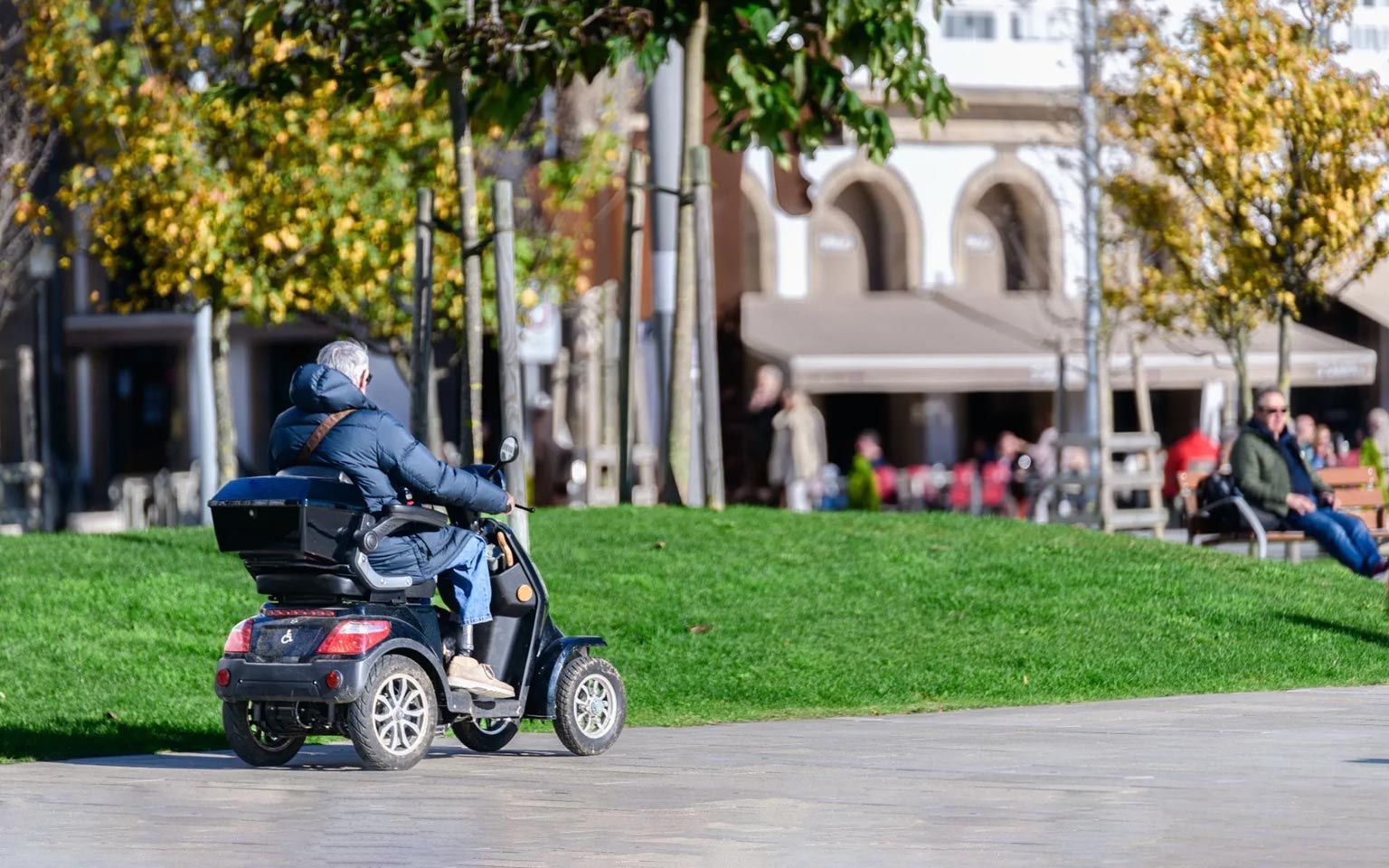
A mobility scooter is a battery-powered device with a seat, a tiller for steering and either three or four wheels. Riders control speed and direction using handlebar grips, similar to a bicycle, rather than a joystick. Scooters are generally built for outdoor use and longer trips, whether that is a walk to the shops or an afternoon at the park.
Key features to know:
- Transport: most models fold or disassemble to fit in a car boot
- Battery range: varies depending on terrain and rider weight
- Best suited to: riders with reasonable upper body strength and balance who find walking longer distances tiring or unsafe
What Is an Electric Wheelchair?
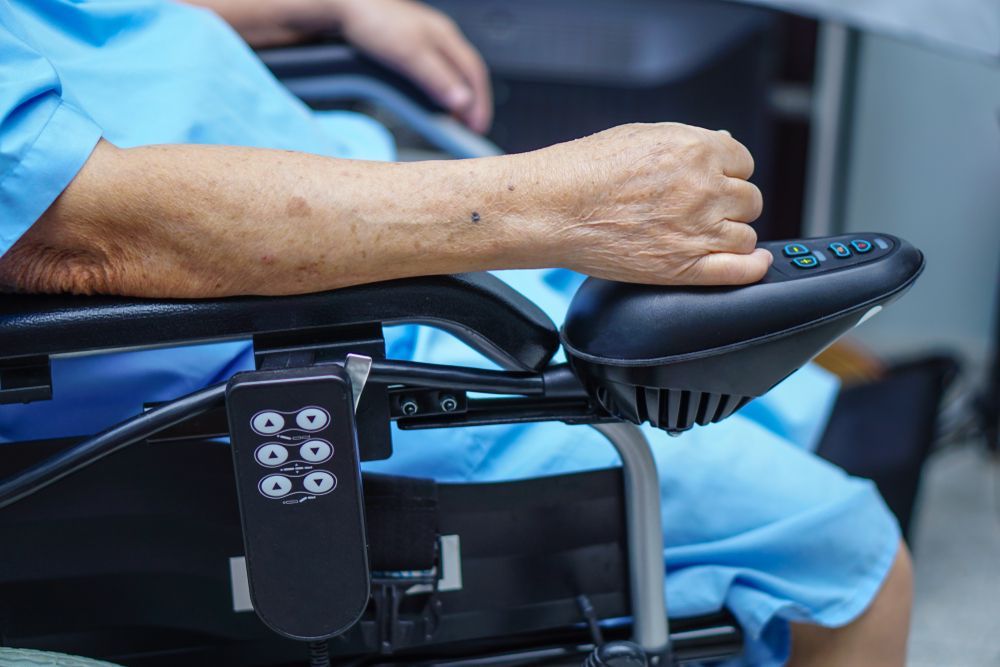
An electric wheelchair, also called a powerchair, uses a joystick control mounted on an armrest to direct movement. Unlike a scooter, the seat and base form one compact unit, which gives it a tighter turning circle and better manoeuvrability indoors.
Electric wheelchairs also offer more advanced seating and postural support, including tilt, recline and leg elevation on some models. Many models are also designed with adjustable armrests and footplates, allowing the chair to be tailored more precisely to individual body shapes and comfort needs. This suits people with limited trunk control, reduced hand strength or conditions that affect balance and coordination.
Key features to know:
- Manoeuvrability: compact design suits hallways, kitchens and other tight indoor spaces
- Seating support: tilt, recline and leg elevation available on some models
- Best suited to: people with limited trunk control, reduced hand strength or conditions affecting balance
Mobility Scooter vs Electric Wheelchair: Key Differences
When weighing up a mobility scooter vs electric wheelchair, four factors tend to matter most: control method, manoeuvrability, transport and seating support.
- Control method: scooters use handlebar steering, which requires two hands and reasonable grip strength, while wheelchairs use a single joystick that needs less physical effort
- Manoeuvrability: wheelchairs have a tighter turning radius, making them better suited to indoor use, while scooters perform best outdoors on paths and open ground
- Transport: many scooters fold or split into parts for car travel, whereas wheelchairs are often bulkier and may need a hoist or ramp for vehicle access
- Seating support: wheelchairs typically offer more postural adjustment, including tilt and recline features, while scooter seating is more basic and fixed
Neither option is universally better. The right choice depends on your daily routine, the layout of your home and the level of physical support you need.
Benefits and Limitations of Each
Both mobility scooters and electric wheelchairs come with clear strengths and trade-offs worth weighing carefully.
Mobility scooters generally offer:
- Comfortable outdoor travel: a stable ride for footpaths, parks and longer errands
- Simple operation: intuitive handlebar controls that many people adapt to quickly
- Storage flexibility: several models fold down for transport or storage at home
The trade-offs include:
- Larger turning circle: less practical in tight indoor spaces or narrow hallways
- Physical demands: steering requires a degree of hand strength and upper body control
Electric wheelchairs generally offer:
- Indoor manoeuvrability: easier to navigate around furniture and through doorways
- Postural support: additional seating features for comfort during longer periods of use
- Lower physical effort: joystick control suits people with limited grip or strength
The trade-offs include:
- Reduced outdoor range: not always designed for longer trips or rougher terrain
- Transport complexity: some models require a hoist, ramp or larger vehicle for travel
Which Option Is Right for You?
Think about where you spend most of your time and what tasks feel hardest right now. Consider these factors before deciding:
- Home layout: narrow doorways or tight corners favour a wheelchair's compact turning circle
- Storage and transport: check whether you have space to store the equipment and how you plan to move it
- Physical strength: handlebar steering suits strong grip and balance, while a joystick suits lower physical effort
- Daily routine: mostly outdoors and running errands favours a scooter, mostly at home favours a wheelchair
As an example, a person recovering from a hip replacement who still has good arm strength might prefer a scooter for outdoor independence during recovery, while someone managing a progressive condition affecting hand dexterity might find a joystick-controlled wheelchair easier to manage long term. Weighing up these factors is the clearest way to find the right mobility aid on the Central Coast for your lifestyle.
Trying Before You Commit
A scooter or wheelchair is a significant purchase, and it is not always obvious which one suits you until you have actually used it. Many suppliers offer hire options for both scooters and electric wheelchairs, which lets you test handling, comfort and control before buying outright. Hiring is particularly useful if your mobility needs are still changing, such as during recovery from surgery or while adjusting to a new diagnosis.
It's also worth thinking beyond the initial purchase. Both scooters and electric wheelchairs need regular servicing to stay safe and reliable, including battery checks, tyre wear and general mechanical upkeep. Choosing a supplier that offers ongoing servicing and repairs means you are covered long after the sale, rather than left to source parts or support elsewhere. Once you have a clearer sense of what works for your body, your home and your long-term needs, you can make a more confident decision.
Get Expert Advice Before You Choose
The right mobility aid depends on your body, your home and your daily routine, so it is worth getting a second opinion before committing to either option. A professional assessment can flag details you might not think to check yourself, such as doorway widths, car boot dimensions or the physical demands of steering versus joystick control.
For personalised guidance, Lake Macquarie Scooters Mobility & More can help you compare a scooter and an electric wheelchair for your needs. If you need more range and comfort for longer outings, a well-chosen mobility scooter can make everyday trips far easier. If limited upper-body strength or tight indoor spaces are more of a concern, electric wheelchairs offer greater manoeuvrability than a scooter.
Our team, supplying mobility aids on the Central Coast, can help you find equipment that genuinely fits your lifestyle.
Get in touch with us today to find the right fit for you.
Frequently Asked Questions